Granite countertops are a stunning addition to any kitchen, offering both elegance and durability. However, to maintain their beauty and ensure they last for many years, proper care and attention are essential. Here are some key tips for keeping your granite kitchen countertop in top condition. First and foremost, granite is a natural stone, which means it is porous to some degree. To protect your countertop from staining, it is important to apply a high-quality sealer after installation and regularly thereafter. Typically, sealing your granite every 1-2 years is recommended, but this may vary depending on the type of granite and how much use your countertops get. A well-sealed countertop will resist liquids like water, wine, and oil from penetrating the surface and causing stains. If a spill does occur, wipe it up promptly with a soft cloth to prevent it from soaking into the stone. When cleaning your granite countertops, avoid using harsh chemicals like bleach, ammonia, or acidic cleaners, which can damage the surface over time.
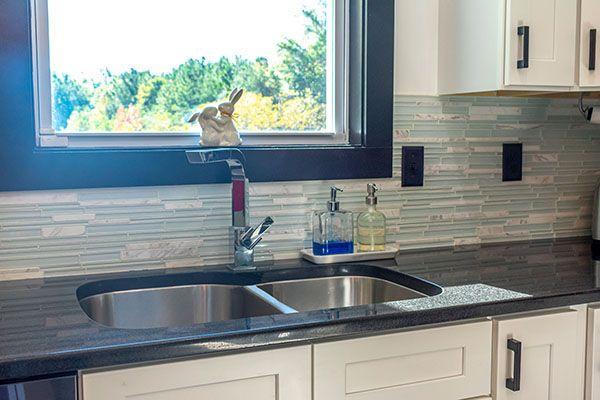
Instead, use a mild dish soap and warm water solution to wipe down the surface daily. For tougher stains, a mixture of baking soda and water can be applied to the affected area, left to sit for a few minutes, and then gently scrubbed with a soft sponge or cloth. It is essential to avoid abrasive scrubbers or pads that can scratch the surface of the stone. Granite is a heat-resistant material, but it is not entirely heatproof. Avoid placing hot pans or pots directly on the countertop as extreme temperatures can cause cracks or discoloration over time. Use trivets or hot pads to protect the surface from heat damage, particularly when cooking or removing items from the oven. To prevent scratches or chips, be mindful of how you use the countertop. Although granite is a tough material, it is not immune to damage from knives or heavy objects. Always use cutting boards when chopping food, and avoid dropping heavy items on the countertop. If a chip or crack does occur, it is best to contact a professional to repair it, as granite is difficult to fix on your own.
Another consideration is the care of the edges of your granite countertop. Over time, edges may wear down or become dulled from regular use. If you notice any signs of wear, you can have the edges professionally restored or polished to bring back their original luster. In terms of routine maintenance, it is a good idea to avoid leaving wet items, like dishcloths or sponges, on the countertop for prolonged periods. The moisture can seep into the granite, especially if the sealant has worn down, leading to potential damage or mold growth in some cases. Lastly, keep an eye on the surface for any signs of wear or damage and visit https://homeia.com/home-improvement/reasons-you-need-a-granite-kitchen-countertop-upgrade/. While granite is incredibly durable, it is not invincible. Promptly addressing any issues will help preserve its appearance and extend the life of your kitchen countertop. By following these care tips, your granite countertop will remain a striking, functional centerpiece in your kitchen for years to come. Regular maintenance, gentle cleaning, and careful use will keep it looking as beautiful as the day it was installed.