
After years of letting my piano gather dust, a spark reignited when It discovered the world of digital piano features. Something about the seamless blend of tradition and technology invited me back to the bench with open arms. No longer confined to a static experience, the piano became a dynamic, interactive space where It could rediscover my love for music on my own terms. One of the first things It noticed was how intuitive modern digital pianos have become. The touch sensitivity mimics the feel of a grand piano, while the weighted keys offer a satisfying resistance that responds to emotional expression. As It played, it felt like my hands were reacquainted with an old friend, but in a fresh, almost futuristic form. What truly deepened my renewed affection was the abundance of features that support creativity and growth. Built-in metronomes, recording functions, and app integrations allowed me to structure practice sessions and track my progress with precision.
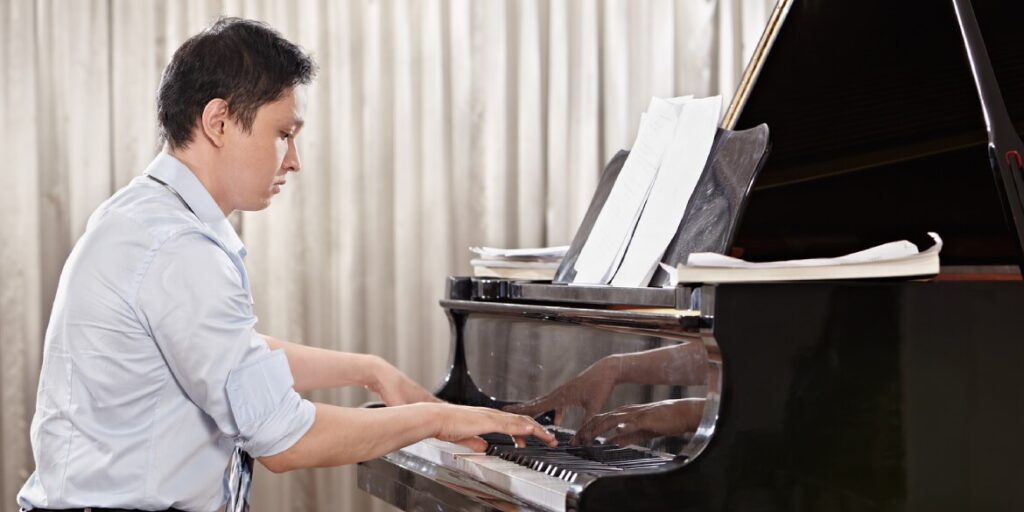
It could slow down difficult passages, loop them, and even transpose them to different keys all without flipping through pages or fumbling with complex tools. It gave me the confidence to try compositions It once found intimidating. Digital sheet music scrolling on a tablet or screen was a revelation, eliminating the need for printed scores and letting me focus purely on expression. It also found joy in experimenting with different tones and voices. One moment It could be immersed in a delicate Chopin nocturne with a rich concert grand voice, and the next It was layering ethereal string pads and atmospheric synths into an original piece. This freedom helped me see the piano not just as an instrument, but as a gateway to a much broader sonic palette. Another breakthrough came from the ability to connect with others. Bluetooth MIDI and USB options let me collaborate online, share recordings, and even take remote lessons—something I never imagined when I first learned on an upright as a child.
Watching others’ piano performances and getting feedback from digital communities brought a sense of motivation and belonging. It was not just playing in a vacuum; It was part of a living, breathing world of fellow music lovers pushing boundaries and exploring new terrain. It was not about perfection anymore, but progress and joy. Above all, the digital piano rekindled something deeply emotional. Playing became an outlet again a refuge during difficult days and a celebration during joyful ones. There were moments late at night when I’d put on headphones, choose a mellow tone, and just play freely, no expectations, no rules. In those quiet hours, It remembered why It fell in love with piano in the first place: the way it lets me speak without words, the way a single melody can carry so much feeling. The digital features did not take away from the experience; they enriched it, removing barriers and opening doors It had not known existed. Falling in love with piano again through digital means was not just a return it was a transformation.