
Outcropping stone is a remarkable feature that brings a bold, natural structure to outdoor designs. Its rugged, textured appearance provides a sense of permanence and organic beauty, making it an excellent choice for landscaping and garden architecture. These stones are often found in nature, either as part of a rock formation or scattered across terrain, and they can vary in size, shape, and color. This diversity allows for creative flexibility, as each piece of outcropping stone can be used to create unique patterns and designs that complement the surrounding environment. In outdoor design, outcropping stone can be incorporated in several ways. One of the most popular uses is in the construction of retaining walls. These walls not only serve a functional purpose by preventing soil erosion but also contribute to the aesthetic appeal of a landscape. The boldness of outcropping stone, with its uneven surfaces and natural color variations, adds a rustic charm to any garden or yard. It provides a visually interesting contrast to more manicured elements, such as lawn areas or flower beds, creating a harmonious balance between nature and design.
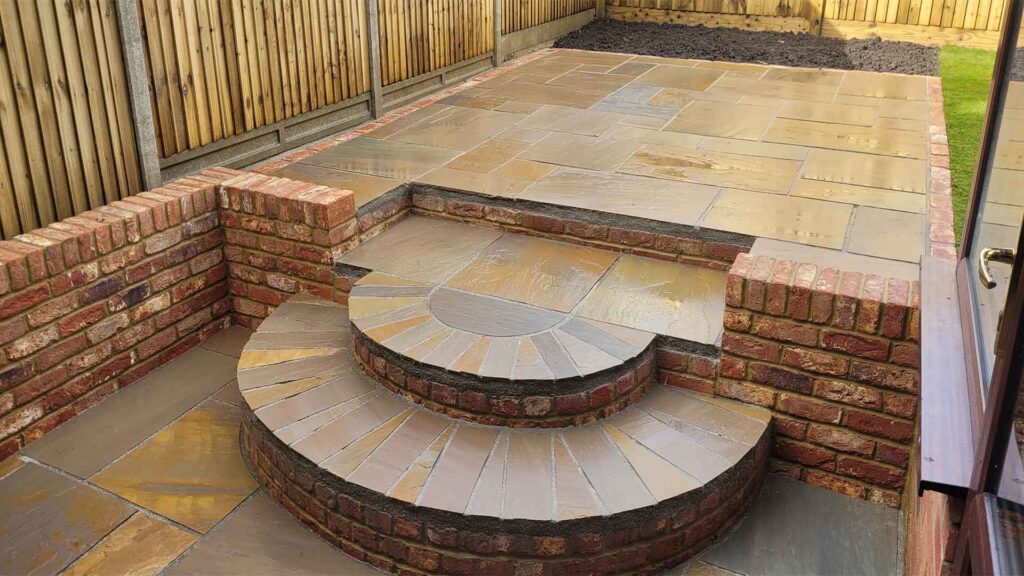
Outcropping stone can also be used to define pathways, borders, or even steps in outdoor spaces. For pathways, stones of varying sizes can be arranged in a way that mimics the natural flow of the land, creating a more organic and inviting walking experience. When used for steps, the irregularity of the stone’s shape can make each step feel distinct and connected to the earth, enhancing the natural feel of the space. This type of stone is also a popular choice for water features, such as fountains, ponds, or streams, where the rough texture and earthy colors complement the movement of water, adding depth and dimension to the scene. Beyond its functionality and aesthetic appeal, outcropping stone has the benefit of being highly durable and weather-resistant. It can withstand the elements, including harsh sunlight, heavy rain, and fluctuating temperatures, making it a long-lasting material for outdoor applications. Its strength means that it does not require constant maintenance, which is an important consideration for those looking to create a low-maintenance landscape.
Furthermore, outcropping stone can be used to create focal points in a garden or outdoor area. Whether it is a large rock formation or a solitary stone sculpture, outcropping stones can serve as striking visual elements that draw the eye and become a central feature of the landscape. These stones often evoke a sense of history and connection to the land, adding a timeless quality to the overall design and click to read more here. Their presence can also invite contemplation and a deeper appreciation for the natural world. In conclusion, outcropping stone is a versatile and bold material that brings structure, texture, and beauty to outdoor designs. Its natural, unrefined appearance complements a wide range of landscaping styles, from modern minimalist gardens to more traditional, rustic spaces. Whether used for functional elements like retaining walls and pathways or as a visual centerpiece, outcropping stone helps to anchor the design while enhancing the connection between the built environment and the natural world.